Nature and Purity
India's Sacred Aquatic Seeds, Purely Popped, Naturally Healthy Snack.Boost Farm Efficiency
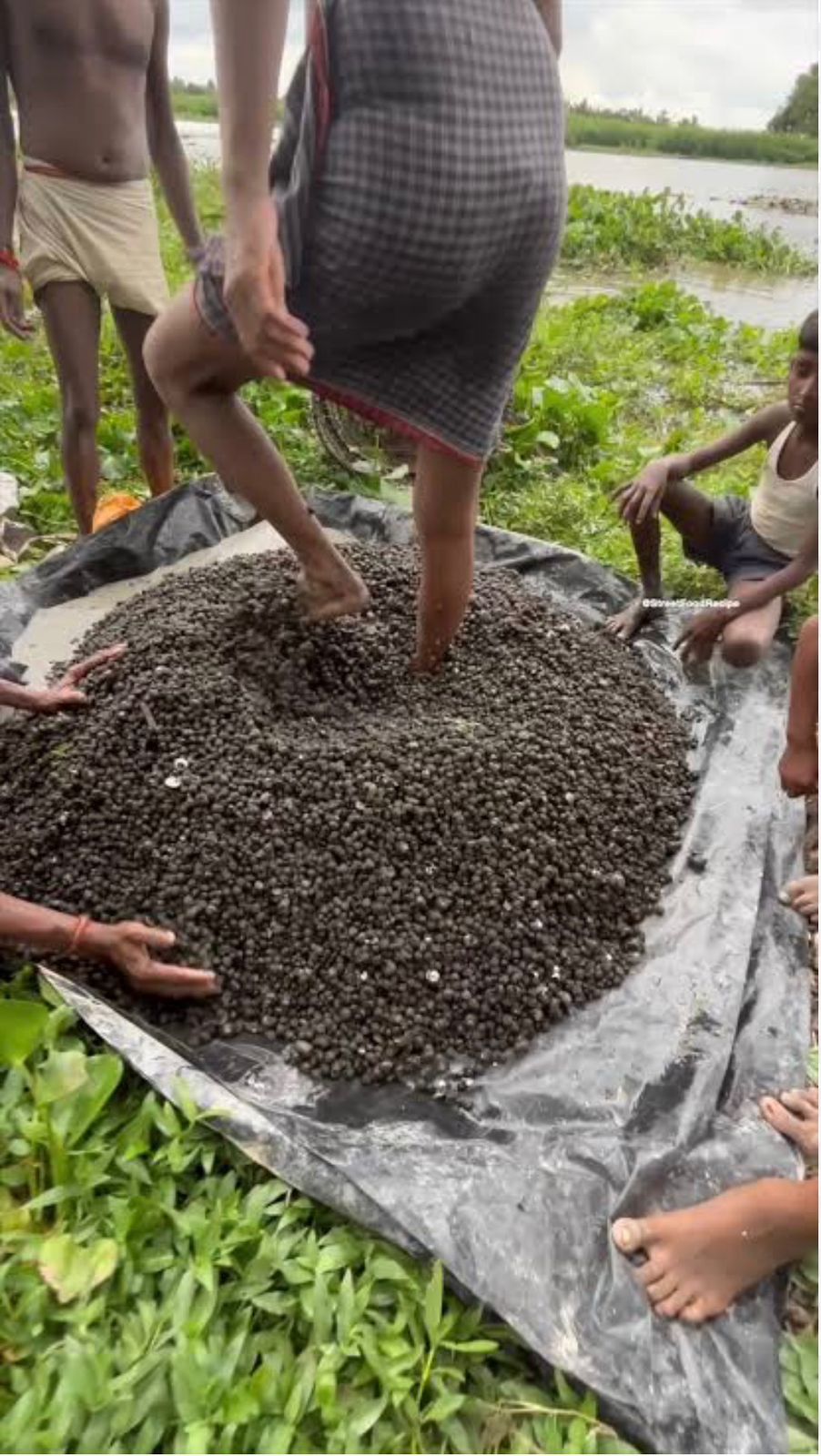
Mechanized Harvesting and Popping Elevates Fox Nut Productivity Instantly.Purity and Source
Clean Aquatic Ponds Yield Fox Nuts, Naturally Pure and Wholesome.Resource Efficiency
Smart Water Recycling Maximizes Resource Efficiency in Fox Nut Ponds.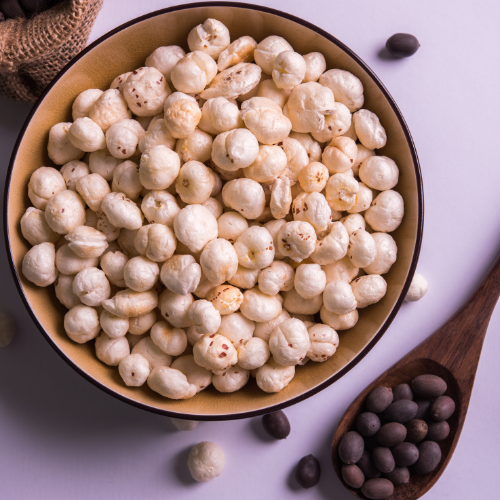
Raj Rani Makhana
Raj Rani Makhana is a distinguished variety of aquatic fox nut cultivated specifically in the Mithila region, which spans parts of Bihar in India and Nepal. In Mithila, Makhana is locally known as “Makhaan” and holds significant cultural and economic importance.
It is one of the three important cultural symbols of the region, alongside pond and fish, encapsulated in the saying “पग-पग पोखर, माछ, मखान” (Pag-pag Pokhar, Machh, Makhana), which translates to “Every step has a pond, fish, and Makhana.” This saying reflects the deep connection between the region’s people and their environment, emphasizing the importance of these elements in their daily lives. Mithila Makhana is prominently featured during cultural and religious festivities.
Know moreMakhana History
The Gorgon nut, scientifically known as Euryale ferox and commonly called Fox Nut or Makhana, is a highly valued aquatic crop, in India the Mithila region of Bihar is the largest producer.
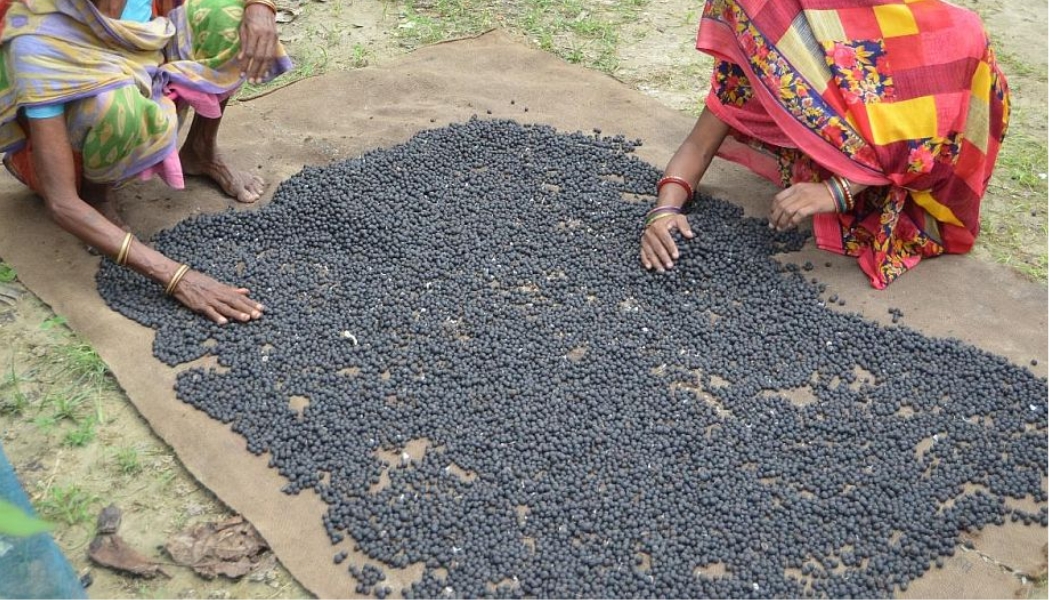
It is mostly marketed in the form of popped seeds, popularly known as Makhana Lawa, which are consumed as a healthy snack and used in various culinary preparations.
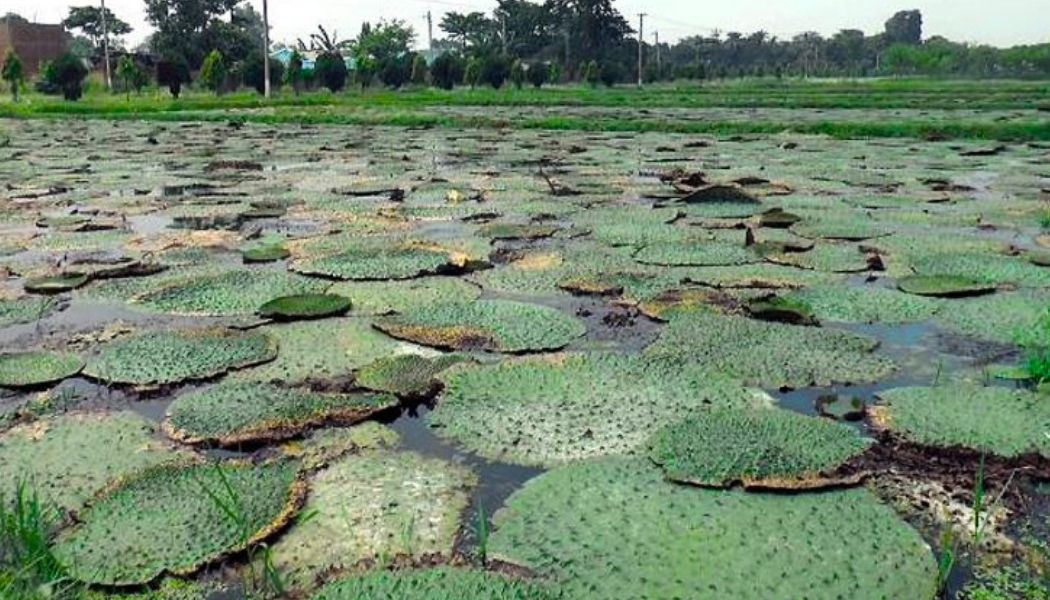
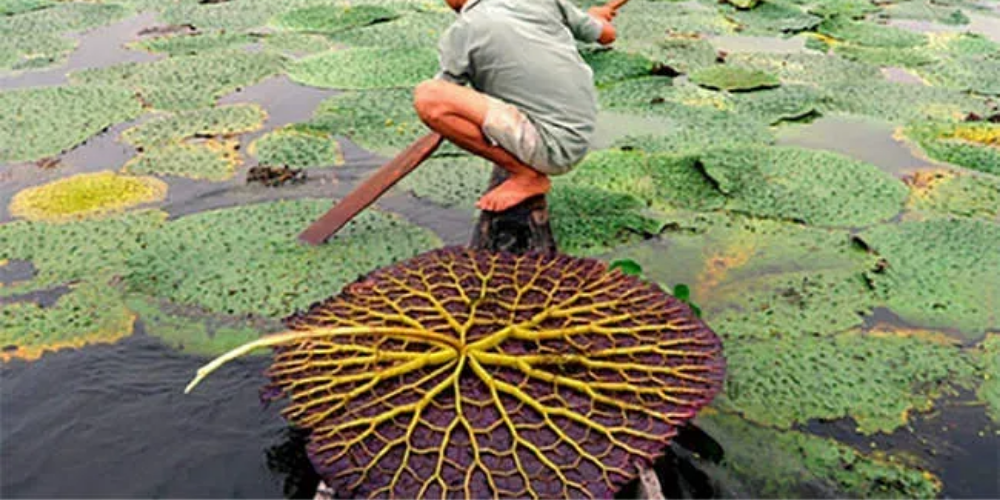
The crop grows in ponds and waterlogged wetlands, and seeds are harvested from mature pods floating on the water surface. Over time, Makhana has gained remarkable popularity not only in India but also across global markets.
This global recognition is largely due to its unique nutty flavour, crunchy texture, and high nutritional value, which make it an ideal healthy snack.
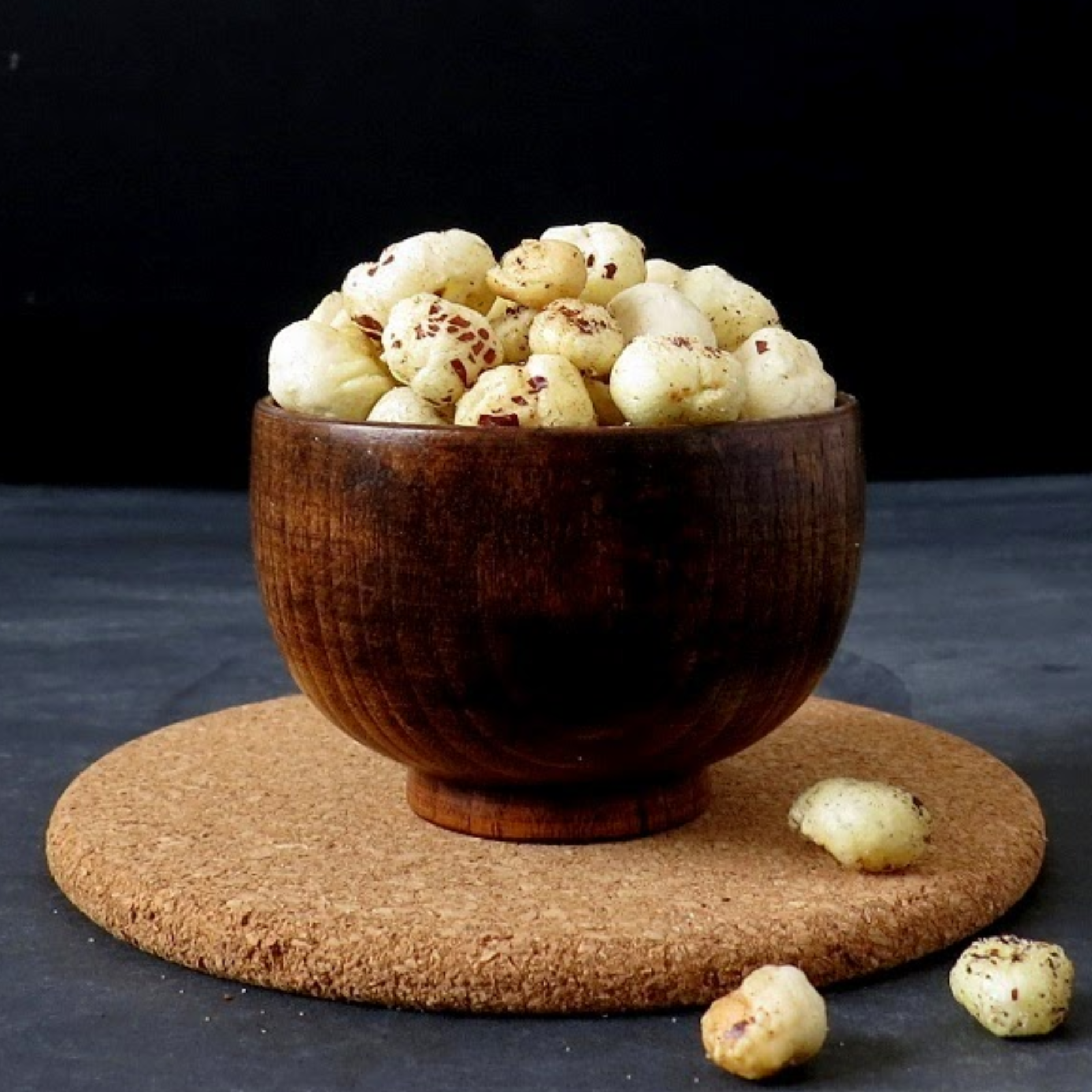
Premium Fox nut ( Makhana )
Premium fox nuts makhana, crunchy, nutritious, healthy, roasted, farm-fresh, gourmet
View all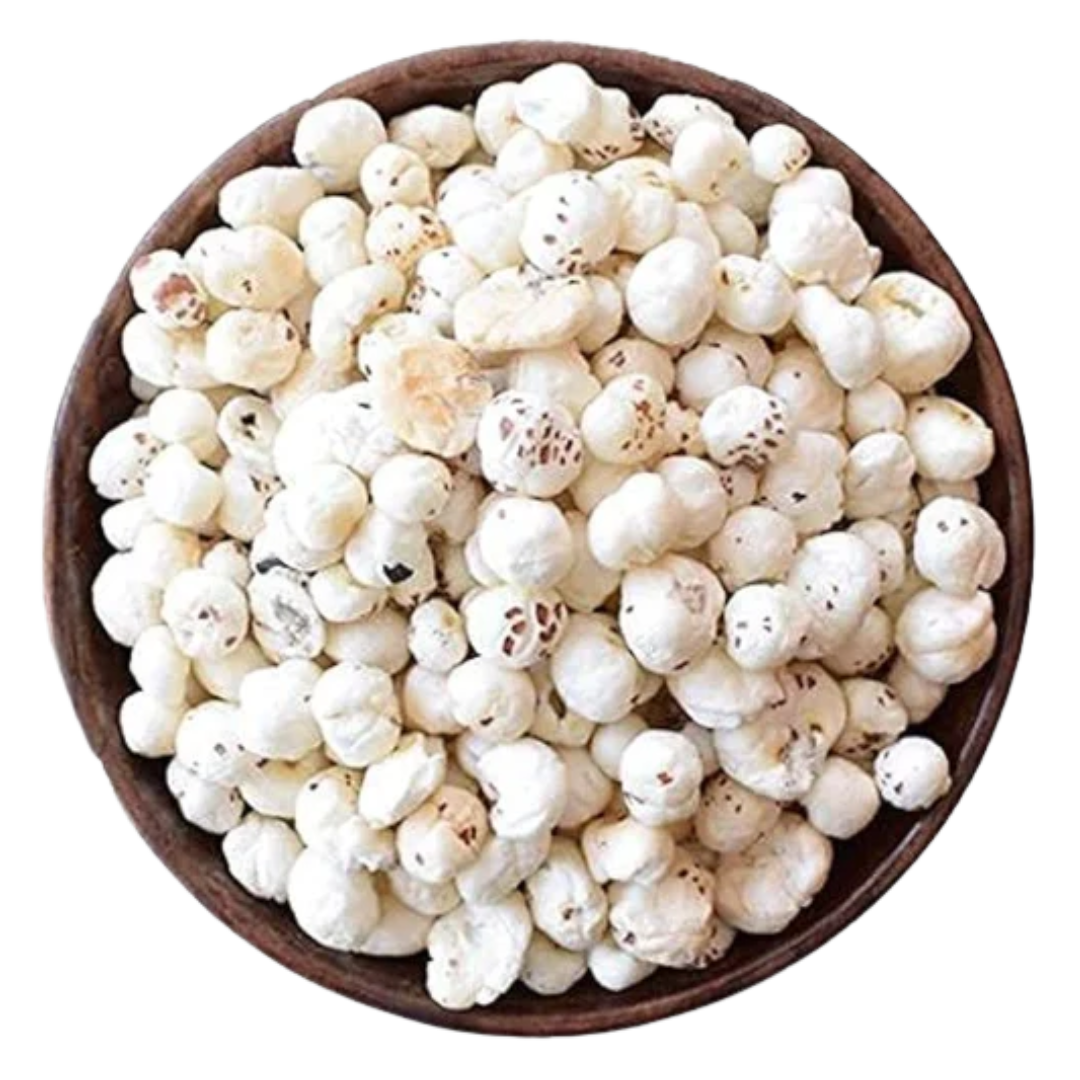
Delicious Makhana Varieties
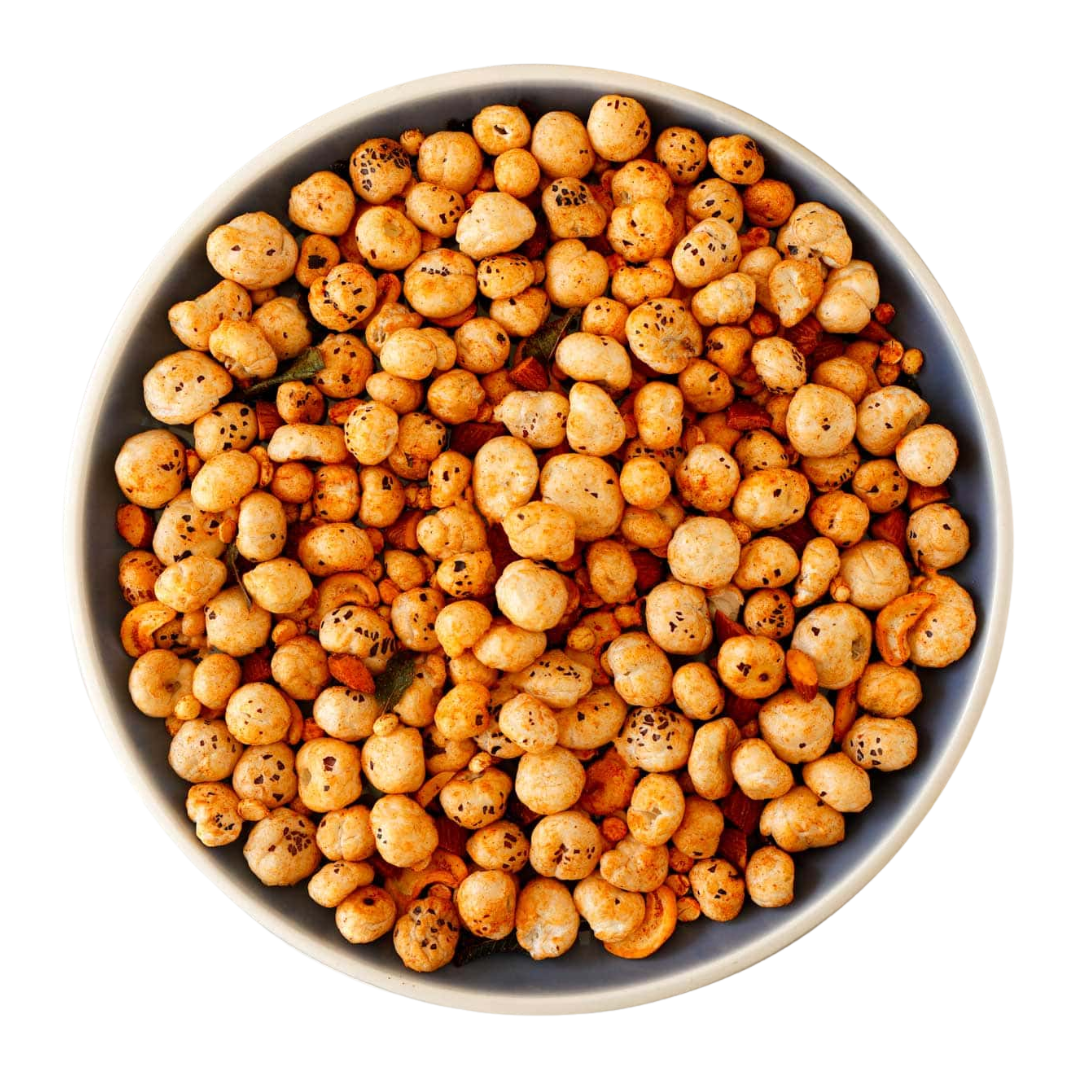
Delicious Flavored Makhana Snacks
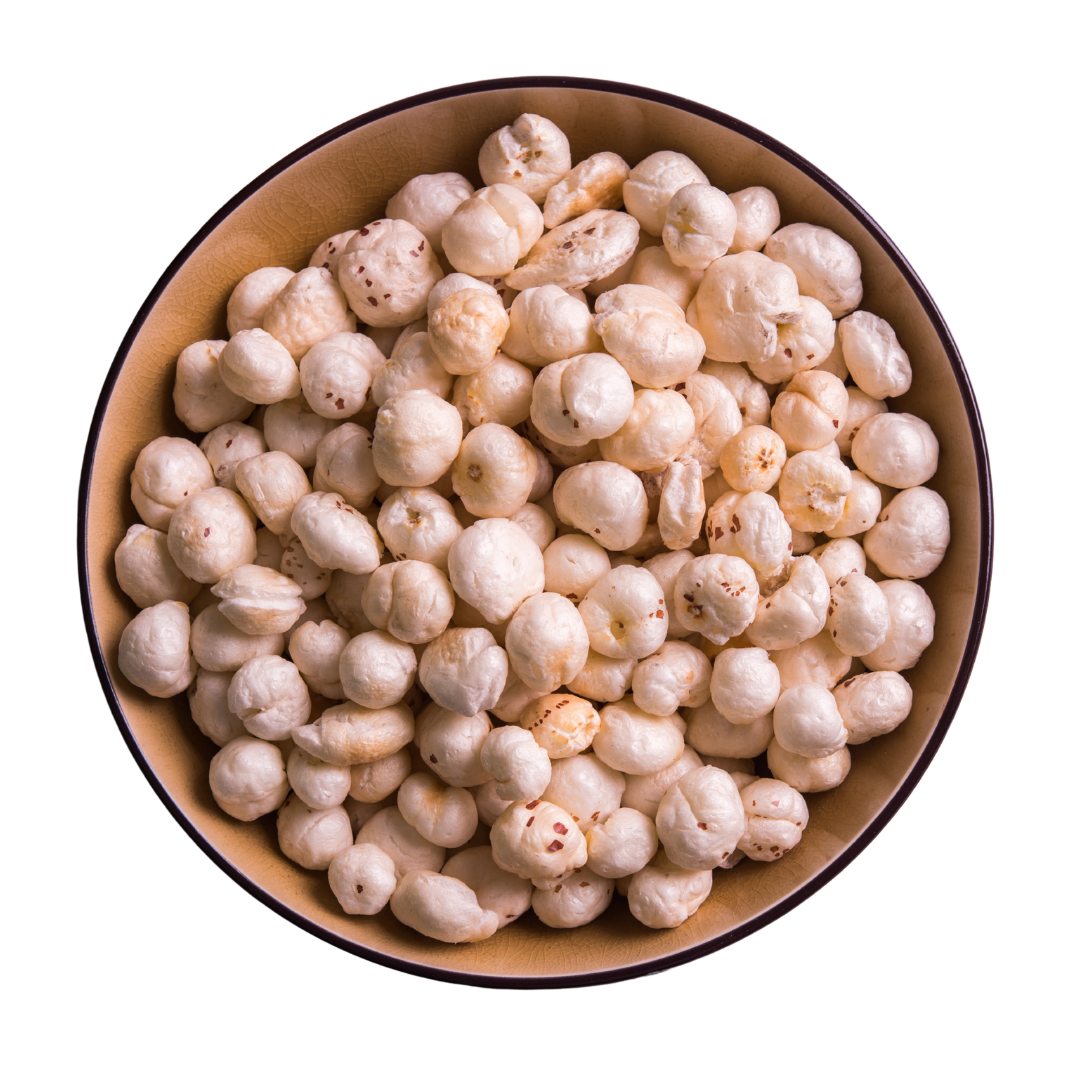
Delicious Puffed Makhana
Why It’s a Superfood?
It is rich in protein, essential vitamins, calcium, magnesium, potassium, phosphorus, and iron, Makhana is also high in fibre, which supports digestive health and weight management.
It is valued for its anti-inflammatory, antioxidant, and anti-aging properties, making it a staple in traditional diets and Ayurvedic medicine.
Explore all Premium Foxnut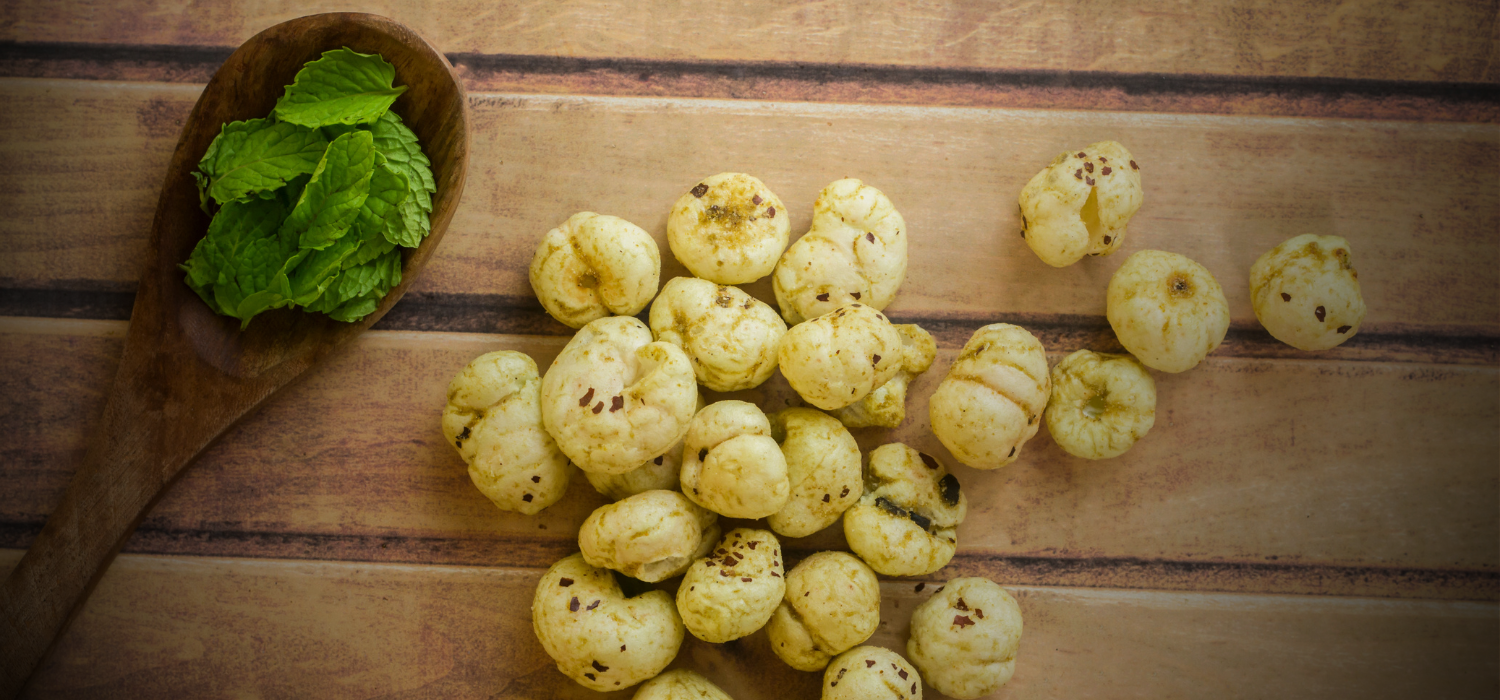
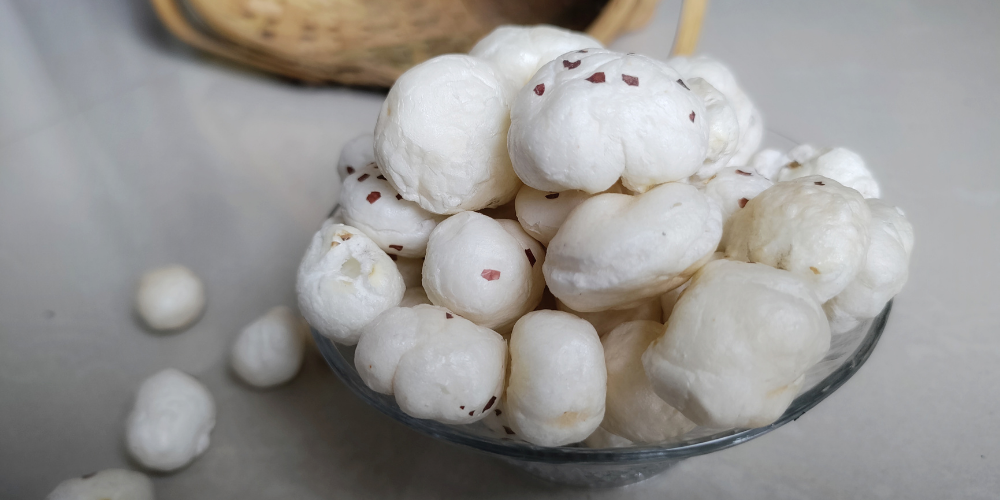
Want healthy, crunchy, and farm-fresh makhana?
Want healthy, crunchy, and farm-fresh makhana for your daily diet? Our premium fox nuts are naturally processed, nutrient-rich, low in calories, and perfect for guilt-free snacking anytime.
Explore all Premium FoxnutOur Gallery
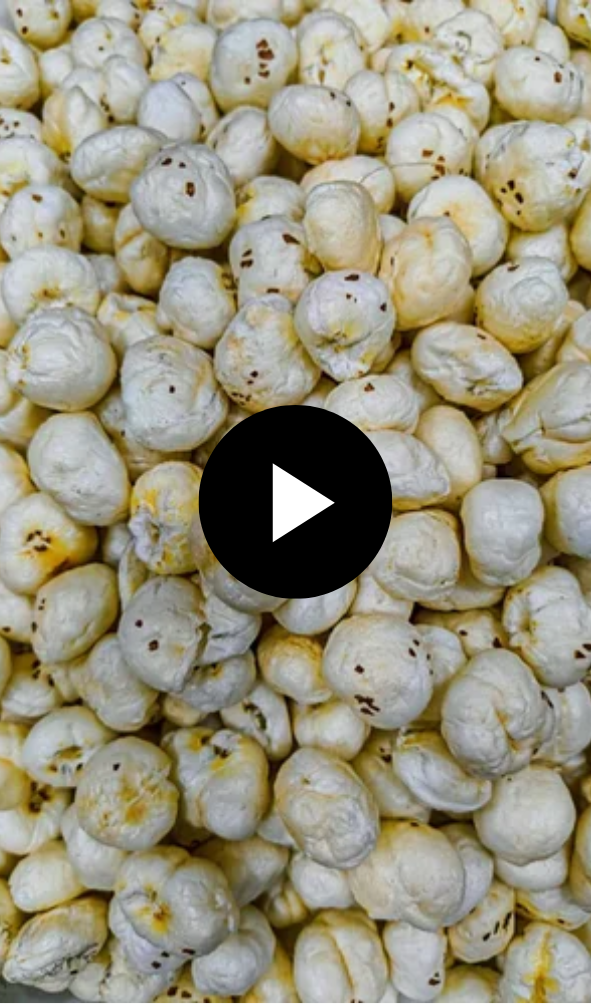
Premium-quality fox nuts (makhana) for healthy, crunchy, nutritious snacking.


Makhana FAQs
Explore commonly asked questions about makhana, covering health benefits, protein content, cooking methods, and daily consumption guidelines.
- Weight Management: High in fiber and protein, it promotes satiety and helps curb overeating.
- Heart Health: Naturally low in sodium and high in magnesium and potassium, which help regulate blood pressure.
- Diabetes-Friendly: It has a low glycemic index (GI), meaning it does not cause rapid spikes in blood sugar levels.
- Anti-Aging: Contains antioxidants like kaempferol that help reduce inflammation and protect skin from oxidative stress.
- Digestive Health: Its high fibre content supports smooth digestion and gut health.
- Calories: ~347–350 kcal
- Protein: ~9.7g
- Fiber: ~14.5g
- Carbohydrates: ~77g
- Fat: < 1g (virtually fat-free)
- Minerals: Rich in calcium (60mg), magnesium (67–250mg), and potassium (500mg).
- Airtight Containers: Store in a sealed glass jar or moisture-proof plastic container.
- Cool & Dry Place: Keep away from direct sunlight and humidity. Ideal storage is below 25°C.
- Silica Gel Packs: Using food-grade silica gel or oxygen absorbers in the container can help absorb residual moisture.
- Roast Before Storing: Stir-frying or roasting raw makhana before storing helps remove internal moisture and extends shelf life.
This prestigious tag has significantly benefited farmers by helping them secure better prices for their produce and increasing the product’s visibility in international markets